
Unmasking Remote Work Fraud: A Guide for Employers and Investigators
In an increasingly digital world, remote work has become a cornerstone of modern business operations.
While offering unparalleled flexibility and access to a global talent pool, this shift also introduces new vulnerabilities, particularly concerning fraud and employee misconduct.
The traditional office environment provided inherent oversight and physical barriers that are largely absent in a distributed workforce.
Consequently, businesses face a growing imperative to understand, detect, and mitigate the unique risks associated with remote work fraud.
This article delves into the evolving landscape of remote work fraud, highlighting the critical role of digital forensics in uncovering illicit activities and providing actionable strategies for employers and investigators to safeguard their organizations.
The Rise of Remote Work and New Fraud Challenges
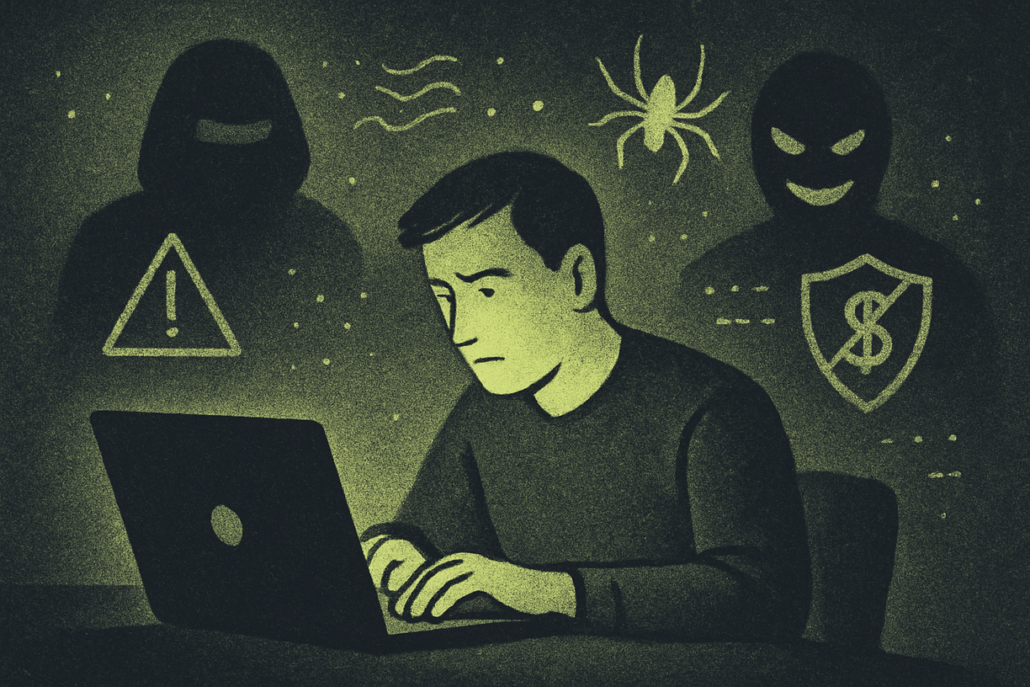
The rapid adoption of remote work models, accelerated by recent global events, has fundamentally reshaped the corporate landscape.
Companies have embraced the benefits of reduced overheads, increased employee satisfaction, and broader recruitment opportunities.
However, this paradigm shift has also inadvertently created fertile ground for new forms of fraudulent activities and employee misconduct.
The physical distance between employees and management can inadvertently lead to a perceived lack of oversight, making it easier for individuals to engage in deceptive practices without immediate detection.
This new environment necessitates a proactive and sophisticated approach to fraud prevention and investigation.
Understanding the Landscape of Remote Work Fraud
Remote work fraud encompasses a wide array of deceptive practices committed by employees operating outside the traditional office setting.
These can range from subtle abuses of company resources to elaborate schemes involving financial misrepresentation or data theft.
The decentralized nature of remote operations means that evidence of such activities is often digital, scattered across various devices, networks, and cloud platforms.
Therefore, understanding the digital footprint of remote work is paramount for effective investigation.
It requires a keen awareness of how employees interact with company systems, communicate, and manage data in a virtual environment.
This understanding forms the foundation for identifying potential red flags and initiating timely interventions.
Common Types of Remote Work Fraud
Remote work environments present unique opportunities for various types of fraud.
Time theft, for instance, is a prevalent concern, where employees falsely report working hours while engaging in non-work-related activities.
Expense reimbursement fraud can also escalate, as the lack of direct supervision might encourage inflated or fabricated claims.
Data exfiltration, where sensitive company information is illicitly copied or transferred, poses a significant threat, especially with employees accessing proprietary data from personal devices or unsecured networks.
Furthermore, conflicts of interest can become more opaque, with remote employees potentially engaging in unauthorized side ventures that compete with their employer’s interests.
The rise of sophisticated phishing and social engineering attacks targeting remote workers also contributes to the overall fraud risk, as employees may be more susceptible to external threats when operating in isolation.
Each of these types of fraud, while distinct, often leaves a digital trail that can be meticulously analyzed through forensic techniques.
The Critical Role of Digital Forensics
In the context of remote work fraud, digital forensics emerges as an indispensable tool for uncovering the truth.
It is the scientific process of identifying, preserving, analyzing, and presenting digital evidence in a manner that is legally admissible.
Unlike traditional investigative methods that might rely on physical evidence or direct observation, digital forensics specializes in the ephemeral and often hidden traces left behind in the digital realm.
This discipline is crucial for organizations seeking to investigate allegations of misconduct, respond to security incidents, or simply ensure compliance with internal policies and external regulations.
Without a robust digital forensics capability, businesses are largely blind to the subtle and sophisticated ways in which fraud can manifest in a remote setting.
What is Digital Forensics in Employee Misconduct?
Digital forensics, when applied to employee misconduct, involves a systematic examination of digital devices and data sources to reconstruct events, identify perpetrators, and quantify damages.
This can include analyzing company-issued laptops, personal devices used for work, cloud storage accounts, email communications, instant messaging logs, and network activity.
The goal is not just to find incriminating evidence, but to establish a comprehensive timeline of events, understand the intent behind actions, and identify any patterns of behavior that might indicate systemic issues.
For instance, in a case of data theft, digital forensics can determine when data was accessed, what data was exfiltrated, and how it was transferred.
In cases of time theft, it can analyze login/logout times, activity logs within applications, and network traffic to corroborate or refute claims of work performed.
The precision and objectivity offered by digital forensics are paramount in building a strong case, whether for internal disciplinary action or legal proceedings.
How Digital Forensics Uncovers Hidden Evidence
Digital forensics employs a variety of specialized techniques and tools to unearth evidence that might otherwise remain hidden.
This includes data recovery from deleted files, analysis of metadata to reveal file origins and modifications, examination of system logs for unauthorized access attempts, and reconstruction of internet browsing history.
Even seemingly innocuous digital artifacts, such as printer spool files or USB connection logs, can provide crucial clues.
Experts in digital forensics are trained to navigate complex file systems, bypass security measures, and interpret technical data in a way that is understandable to non-technical stakeholders.
They can identify sophisticated attempts to cover tracks, such as the use of encryption, secure deletion tools, or virtual private networks (VPNs).
By meticulously piecing together these digital fragments, forensic investigators can paint a clear picture of what transpired, providing irrefutable evidence that stands up to scrutiny.
This capability is particularly vital in remote work environments where physical oversight is limited, making digital trails the primary source of actionable intelligence.
The ability to recover and analyze data from various sources, including personal devices that may have been used for work, is a key differentiator, allowing for a more complete investigation than traditional methods alone.
Proactive Measures: Preventing Remote Work Fraud
While digital forensics is invaluable for investigating fraud after it occurs, the most effective strategy for businesses is to implement proactive measures that deter fraudulent activities in the first place.
A multi-layered approach combining robust policies, technological solutions, and a culture of awareness can significantly reduce an organization’s vulnerability to remote work fraud.
Prevention is always more cost-effective and less disruptive than remediation, making these proactive steps essential for any business operating with a remote workforce.
Implementing Robust Policies and Procedures
The foundation of any strong fraud prevention strategy lies in clear, comprehensive, and consistently enforced policies and procedures.
For remote work environments, these policies should explicitly address expectations regarding data security, acceptable use of company resources, reporting of suspicious activities, and consequences for non-compliance.
It is crucial to have a well-defined remote work policy that outlines the boundaries between personal and professional use of devices and networks.
Companies should also establish clear guidelines for expense reporting, time tracking, and data handling, ensuring that employees understand their responsibilities and the mechanisms in place for oversight.
Regular training sessions on these policies, coupled with periodic refreshers, can help reinforce ethical conduct and raise awareness about the risks of fraud.
Furthermore, a strong ethical culture, promoted from the top down, can foster an environment where employees feel empowered to report concerns without fear of retaliation, thereby creating an additional layer of defense against fraudulent activities.
Technology Solutions for Fraud Detection
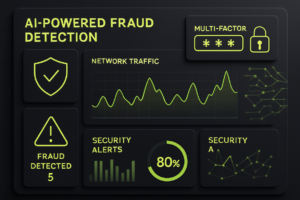
Beyond policies, technology plays a pivotal role in preventing and detecting remote work fraud.
Implementing robust cybersecurity measures, such as multi-factor authentication (MFA), virtual private networks (VPNs), and endpoint detection and response (EDR) solutions, can significantly enhance data security and reduce unauthorized access.
Monitoring tools that track employee activity on company-issued devices, while respecting privacy laws, can help identify unusual patterns that might indicate fraudulent behavior.
For instance, an abrupt increase in data downloads or access to sensitive files outside of normal working hours could be a red flag.
AI-powered fraud detection systems can analyze large datasets to identify anomalies and predict potential fraud risks, often before human investigators can.
These systems can flag suspicious transactions, unusual login patterns, or deviations from established behavioral norms.
Secure communication platforms and document management systems can also help centralize data and reduce the risk of data exfiltration.
Regular security audits and penetration testing can further identify vulnerabilities in the remote work infrastructure, allowing organizations to patch weaknesses before they can be exploited by malicious actors.
The key is to leverage technology not just for productivity, but as an integral part of a comprehensive fraud prevention framework.
The Investigation Process: A Step-by-Step Approach
When fraud is suspected in a remote work environment, a systematic and legally sound investigation process is paramount.
Haphazard or poorly executed investigations can not only fail to uncover the truth but can also expose the organization to legal liabilities.
A structured approach ensures that evidence is properly collected, analyzed, and preserved, leading to credible findings that can withstand scrutiny.
Initial Signs and Triage
The first step in any remote work fraud investigation is recognizing the initial signs and conducting a thorough triage.
These signs can be varied, ranging from anonymous tips and unusual financial discrepancies to unexplained changes in employee behavior or performance.
For instance, an employee consistently logging in at odd hours or a sudden increase in expense reports without corresponding project activity could be indicators.
HR professionals and managers should be trained to identify these red flags and report them through established channels.
Once a suspicion is raised, a preliminary assessment, or triage, is conducted to determine the credibility and potential scope of the alleged fraud.
This involves gathering readily available information, such as reviewing basic financial records or communication logs, to ascertain if a full-scale investigation is warranted.
The goal at this stage is to quickly and discreetly assess the situation without alerting the suspected party, thereby preserving potential evidence and preventing further misconduct.
Gathering Digital Evidence
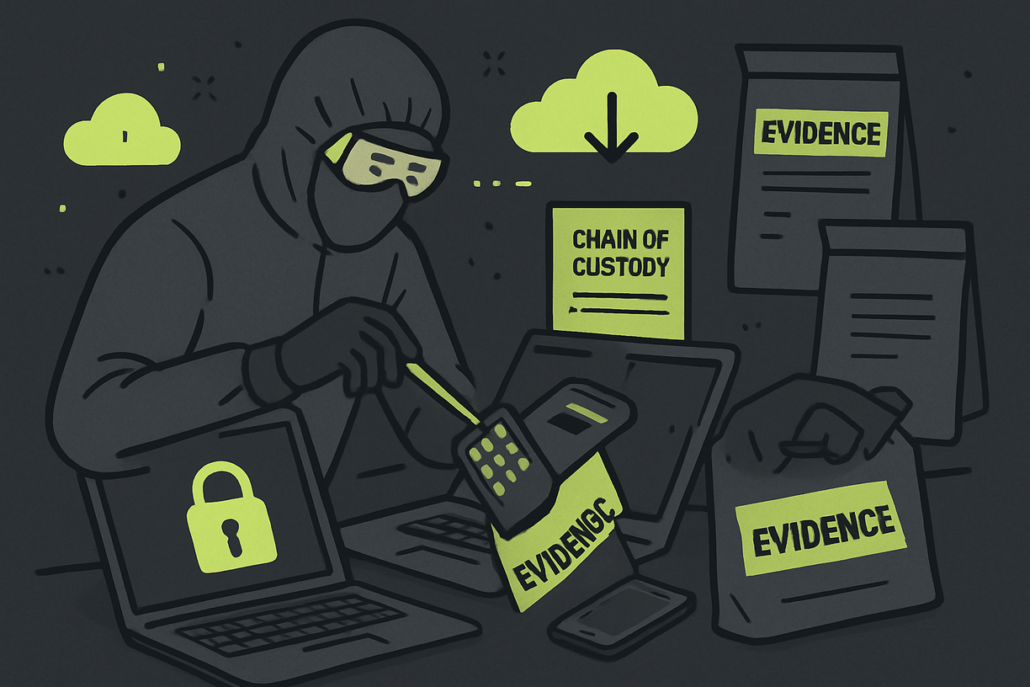
Once a full investigation is authorized, the meticulous process of gathering digital evidence begins.
This is where the expertise in digital forensics becomes critical. Investigators must ensure that all evidence is collected in a forensically sound manner, maintaining its integrity and chain of custody.
This includes creating bit-for-bit copies (forensic images) of relevant devices, such as company laptops, mobile phones, and external storage drives.
Cloud-based data, including emails, shared documents, and collaboration platform activity, must also be systematically preserved.
Network logs, access records, and security system alerts provide valuable contextual information.
It is crucial to work with IT and legal teams to ensure that data collection complies with all relevant privacy laws and company policies.
The sheer volume of digital data can be overwhelming, necessitating the use of specialized forensic tools and techniques to efficiently process, filter, and identify pertinent information.
This phase is about casting a wide, yet precise, net to capture all potential digital footprints of the alleged fraudulent activity.
Interviewing and Documentation
As digital evidence is being gathered and analyzed, parallel efforts should focus on interviewing relevant parties and meticulously documenting every step of the investigation.
Interviews should be conducted with a clear objective, focusing on gathering facts and understanding perspectives.
This includes interviewing the complainant, witnesses, and eventually, the subject of the investigation, if appropriate.
Interviewers should be trained in non-confrontational techniques and be aware of legal rights and potential biases.
All interviews must be thoroughly documented, ideally with detailed notes or recordings, and reviewed for accuracy.
Together, comprehensive documentation of the entire investigation process is essential. This includes detailed logs of evidence collection, analysis methodologies, findings, and conclusions.
A well-documented investigation report provides a clear, defensible account of the events, the evidence supporting the findings, and the steps taken to reach those conclusions.
This documentation is vital for internal decision-making, potential disciplinary actions, and any subsequent legal proceedings.
Legal Considerations and Compliance
Navigating the legal landscape is a critical aspect of remote work fraud investigations.
Organizations must ensure that every step of the process complies with relevant laws and regulations, including data privacy laws (e.g., GDPR, CCPA), labor laws, and industry-specific regulations.
The legal implications of monitoring employee activity, collecting personal data, and conducting interviews must be carefully considered.
It is highly advisable to involve legal counsel from the outset of an investigation to ensure compliance and mitigate legal risks.
This includes understanding the legal admissibility of digital evidence, the proper procedures for obtaining consent (where required), and the implications of cross-jurisdictional issues, especially when dealing with a globally distributed remote workforce.
Failure to adhere to legal requirements can jeopardize the entire investigation, invalidate findings, and expose the company to significant legal and reputational damage.
A proactive approach to legal compliance ensures that the investigation is not only effective in uncovering fraud but also defensible in any legal challenge.
Partnering with Expert Private Investigators

While internal teams can handle many aspects of fraud prevention and investigation, there are instances where the complexity, sensitivity, or scale of remote work fraud necessitates the expertise of external professionals.
Private investigation firms, particularly those specializing in corporate investigations and digital forensics, offer invaluable support in these challenging situations.
Their objective perspective, specialized tools, and extensive experience can significantly enhance the effectiveness and legal defensibility of an investigation.
When to Engage Professional Investigators
Organizations should consider engaging professional private investigators when facing complex or high-stakes remote work fraud cases.
This includes situations where the alleged fraud involves senior management, requires cross-jurisdictional investigation, or demands highly specialized digital forensic capabilities beyond the scope of internal IT departments.
If the internal team lacks the necessary resources, expertise, or time to conduct a thorough investigation, external investigators can fill this gap.
Also, bringing in an independent third party can help maintain objectivity and avoid potential conflicts of interest, which is crucial for the credibility of the investigation.
Cases involving significant financial losses, reputational damage, or potential criminal implications also warrant the involvement of experienced private investigators who are adept at navigating legal complexities and preparing cases for potential litigation.
Their ability to operate discreetly and efficiently can minimize disruption to business operations while maximizing the chances of a successful outcome.
Gravitas Investigations: Your Partner in Fraud Detection
Gravitas Investigations stands as a premier partner for businesses seeking to combat remote work fraud and other forms of employee misconduct.
With a deep understanding of the evolving digital landscape and extensive experience in corporate investigations, Gravitas Investigations offers a comprehensive suite of services tailored to the unique challenges of remote work environments.
Our team of seasoned investigators utilizes cutting-edge digital forensic techniques to meticulously uncover hidden evidence, trace digital footprints, and provide actionable intelligence.
Whether it’s investigating time theft, data breaches, expense fraud, or complex financial schemes, Gravitas Investigations provides the expertise and resources necessary to conduct thorough, legally compliant, and discreet investigations.
Our commitment to integrity, professionalism, and delivering verifiable results ensures that our clients receive the clarity and evidence needed to make informed decisions and protect their assets.
By partnering with Gravitas Investigations, businesses in Ohio, Kentucky, Indiana, and expanding markets like Dallas–Fort Worth (DFW), New York City (NYC), Houston, Los Angeles, and Chicago can confidently address the complexities of remote work fraud, safeguarding their operations and maintaining trust within their workforce.
Conclusion: Safeguarding Your Business in the Remote Era
The shift to remote work has brought about numerous advantages for businesses, but it has also introduced new and complex challenges in the realm of fraud and employee misconduct.
The digital nature of remote operations means that traditional investigative methods are often insufficient, making digital forensics an indispensable tool for detection, investigation, and prevention.
By understanding the various forms of remote work fraud, implementing robust proactive measures, and following a systematic investigation process, organizations can significantly mitigate their risks.
Furthermore, recognizing when to engage expert private investigators, such as Gravitas Investigations, can provide the specialized knowledge and resources needed to navigate the intricacies of digital evidence and legal compliance.
As businesses continue to embrace the flexibility of remote work, a proactive and informed approach to fraud detection and prevention will be paramount to safeguarding assets, maintaining trust, and ensuring the long-term integrity of operations in this evolving digital landscape.

